March 30, 2026
Supporting Nonprofit Sustainability in a Changing Environment
In recent months, nonprofit partners across San Diego have shared what they are navigating—from immediate funding uncertainty to longer-term questions about sustainability and stability.
Across these conversations, one thing has been clear. Funding matters, but it is not enough on its own. Nonprofits also need the ability to navigate and influence the systems that shape the communities they serve.
At Alliance Healthcare Foundation, we have been listening closely and building on the work we began last year with that input at the center. Strengthening nonprofit sustainability requires both resources and access to knowledge, relationships, and opportunities that allow organizations to engage more fully in the systems and environment that shape their work and the communities they serve.
Expanding Access to Systems Engagement
 Nonprofits are often closest to the challenges facing communities and are well positioned to help shape the systems that influence health and well-being. Yet many organizations have limited opportunities to build the skills and confidence needed to engage in these spaces more fully.
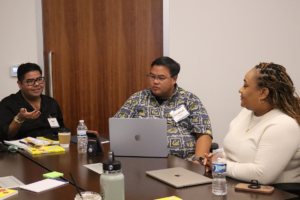
In response to what nonprofit leaders have shared, AHF hosted an advocacy workshop in partnership with Pat Libby: How are Laws Made, What’s Legal, and How Do I Make a Difference?. The convening brought together 26 participants from 24 organizations to explore how nonprofits can engage appropriately and effectively in advocacy and lobbying within their roles.
Through real-world scenarios and practical discussion, participants connected policy concepts to their day-to-day work and explored how these approaches could be applied within their own organizations. They left with a clearer understanding of how to navigate advocacy and lobbying in practice. Even organizations with prior advocacy experience identified new opportunities to strengthen their approach, including how advocacy can be more intentionally integrated into their organizational practices and decision-making.
“I feel much more at ease approaching lobbying as a nonprofit professional.”
— Workshop participant
This momentum has continued beyond the workshop, with strong interest in future convenings that would allow participants to further develop and apply these ideas together. We are continuing to build on this work alongside nonprofit partners by expanding access to the tools, knowledge, and spaces that support their role in shaping systems.
Responding to What Nonprofits Need to Sustain and Adapt
In addition to building capacity for systems engagement, nonprofit leaders have consistently raised the importance of stability and adaptability in a changing environment. These conversations have reinforced that sustaining this work requires both immediate support and long-term strategies.
In response, AHF is working alongside partners to support approaches that address these needs in complementary ways.
One example is the Nonprofit Sustainability Initiative San Diego, a collaborative effort fiscally sponsored by Catalyst of San Diego & Imperial Counties and supported by AHF and the Prebys Foundation. This initiative focuses on helping organizations navigate critical moments of change by supporting collaboration strategies such as shared services, joint programs, and other formalized partnership models that can strengthen long-term sustainability.
Funders and partners are invited to learn more at the upcoming launch webinar:
April 21 | 9:30–11:00 AM
Register for the Nonprofit Sustainability Initiative launch webinar
Another example is the Sustained Support Fund, a recoverable grant pool for short-term cashflow bridge support, which AHF helped seed alongside other partners. This effort provides short-term, flexible funding for cashflow bridging when organizations may be awaiting committed resources or delayed (but confirmed) earned revenue for services provided.
To date, over a dozen organizations have been supported, with additional organizations in progress. Because these funds are recoverable and can be recycled, each dollar is stretched further to support multiple organizations over time, extending their impact across the sector.
Together, these efforts reflect a broader approach shaped by what nonprofit partners have shared—addressing immediate pressures while also creating pathways for long-term sustainability.
Social Media, Mental Health, and the Environments Shaping Well-Being
 For years, families and researchers have raised concerns about how social media may be affecting the mental health of young people.
A recent landmark ruling found major platforms negligent for harms linked to engagement-driven design, marking a notable shift in how these impacts are being understood and addressed.
At Alliance Healthcare Foundation, we believe mental wellness is shaped not only by access to care, but also by the environments people move through every day, including digital spaces. Supporting well-being means addressing both immediate needs and the upstream conditions that influence health.
In 2024, we were honored to host Zach Rausch, whose work with Jonathan Haidt on The Anxious Generation highlights the importance of collective action to create healthier conditions for young people. Moments like this reinforce the need for continued learning, collaboration, and investment in youth mental health.
Read the full article:
Meta and YouTube Found Negligent in Landmark Social Media Addiction Case
###
Related News

Dec 18, 2025
Reflecting on Community Leadership and Care
Reflecting on Community Leadership and Care A Message from [...]
Nov 20, 2025
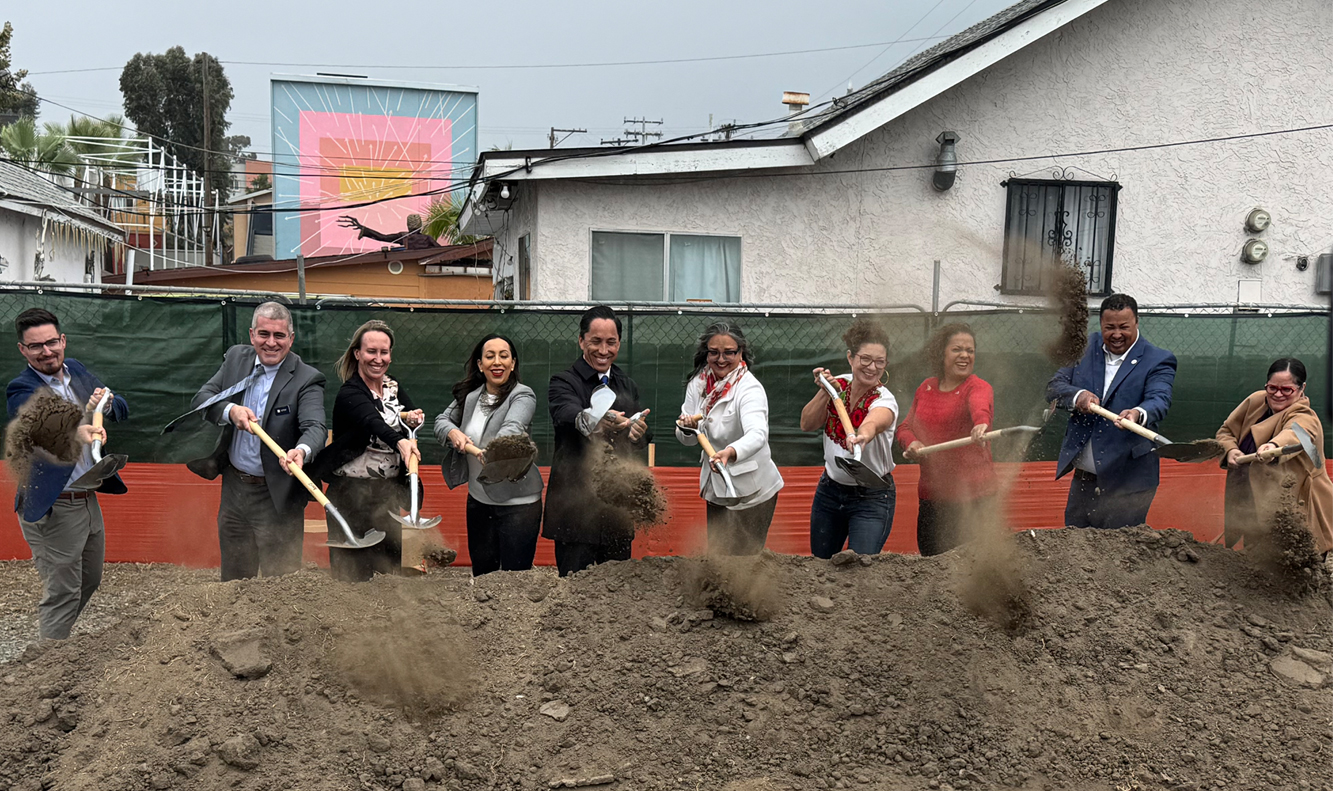
Community-Led Progress: Recent Milestones in Housing, Behavioral Health, and Economic Mobility
Community-Led Progress: Recent Milestones in Housing, Behavioral Health, and Economic [...]
Oct 29, 2025
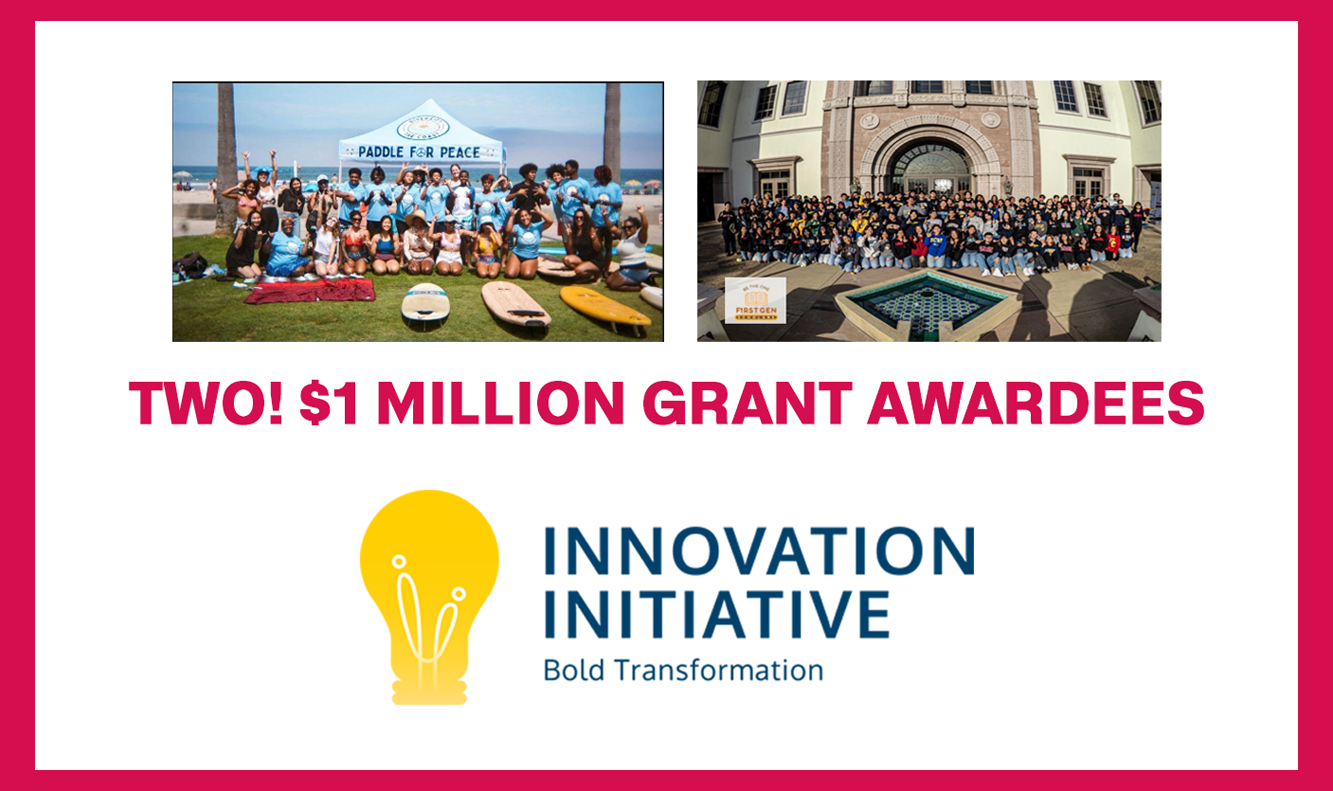
i2 Awardees Announced
Doubling Our i2 Investment for Transformational Community Change $1 Million [...]
